
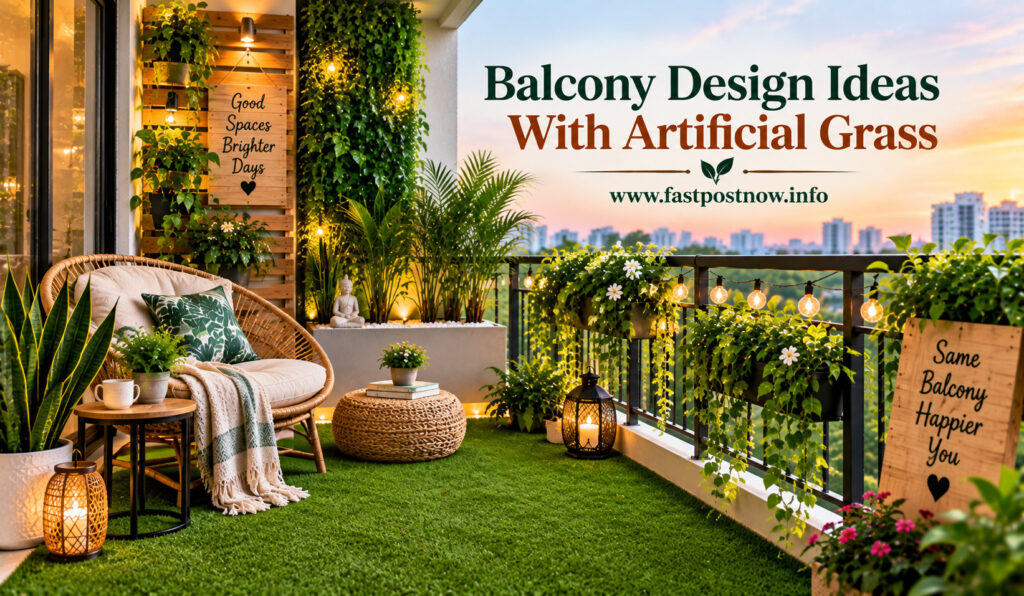
A balcony does not need a large garden to feel green and inviting. Artificial grass can transform a plain concrete or tiled balcony into a comfortable outdoor retreat while adding the appearance of a natural lawn without the regular maintenance of real grass. It is particularly useful for apartment balconies where growing natural grass may be impractical.
With the right furniture, plants, lighting, and decorative elements, artificial grass can become the foundation of a stylish balcony design. It can create a softer surface underfoot, define a seating area, and bring a refreshing outdoor character to even a compact space.
Whether you have a narrow apartment balcony or a larger terrace, there are several creative ways to use artificial grass without making the space look artificial or overcrowded.
Why Use Artificial Grass on a Balcony?
Traditional balcony flooring can sometimes feel hard and uninspiring. Concrete, ceramic tiles, and stone are practical but may not provide the warm atmosphere people associate with outdoor gardens.
Artificial grass introduces a green visual layer while remaining relatively easy to maintain. It does not need mowing, regular watering, or the same level of sunlight required by natural grass.
It can also be useful for renters because many artificial grass products can be installed as removable flooring rather than permanently attached to the balcony.
Some advantages include:
- Low routine maintenance
- Green appearance throughout the year
- Softer visual feel than plain concrete
- Easy coordination with outdoor furniture
- Suitable for many balcony sizes
However, artificial grass should be selected and installed carefully so that water drainage, ventilation, and balcony safety are not affected.
Create a Cozy Green Seating Area
One of the easiest balcony design ideas with artificial grass is to use it as a base for a small seating area. Place a compact outdoor chair, bench, or loveseat on the grass and add a small side table.
The green flooring immediately creates a garden-inspired atmosphere. Add a few potted plants around the edges to make the artificial lawn look more natural.
For a small balcony, avoid filling the grass area with too much furniture. Leaving some visible green space can make the balcony feel larger and more open.
Add Soft Outdoor Accessories
Cushions, outdoor rugs, and throws can make the seating area more comfortable. Choose colors that complement green, such as beige, cream, brown, terracotta, or muted yellow.
A few carefully selected accessories are usually more effective than covering every available surface with decorations.
Design a Balcony Garden With Artificial Grass
Artificial grass works particularly well when combined with real plants. The grass provides a consistent green foundation while potted plants add height, texture, and natural variation.
Use plants of different sizes around the balcony rather than arranging them in a single straight line. Taller plants can occupy corners, while smaller pots can sit near the seating area.
The combination of artificial and living greenery can make the balcony feel much more like a real garden.
Choose Plants That Complement Green Flooring
Because the grass already provides a strong green color, consider plants with different leaf shapes or contrasting tones. Flowering plants can add color, while plants with larger leaves can create a tropical appearance.
You do not need dozens of plants. A small selection arranged at different heights can produce a much more natural effect.
Use Artificial Grass on a Small Balcony
Artificial grass can make a small balcony feel warmer, but installation should be carefully planned. Measure the area before purchasing the grass and decide whether you want to cover the entire floor or only create a defined green section.
Covering the complete floor creates a stronger garden effect. A smaller rectangular section can be better if you want to combine artificial grass with existing tiles.
For narrow balconies, place furniture along one side and leave a clear walkway. The green flooring can visually connect the seating and plant areas without making the space difficult to navigate.
Create a Relaxing Balcony Lounge
If your balcony is primarily used for relaxing, artificial grass can provide a comfortable visual foundation for a lounge-style design.
Place a low outdoor sofa or two comfortable chairs on the grass. Add cushions in natural colors and a small coffee table. Plants around the seating area can create a sense of privacy and make the balcony feel more secluded.
Lighting can complete the look. Warm lanterns or suitable outdoor string lights can create a relaxing atmosphere after sunset.
Keep the Design Simple
A lounge balcony does not need excessive decoration. Focus on comfortable seating, greenery, soft lighting, and one or two decorative elements.
A simple arrangement might include:
- Artificial grass flooring
- Compact outdoor seating
- Potted plants
- Warm outdoor lighting
This combination is enough to create a welcoming retreat without overcrowding the balcony.
Build a Balcony Dining Space
Artificial grass does not have to be limited to lounge areas. It can also provide a fresh backdrop for a small balcony dining setup.
A compact café table and two lightweight chairs can create a pleasant breakfast or evening dining area. Choose furniture with legs that sit securely on the grass and avoid pieces that are unnecessarily heavy.
For a more natural design, combine wooden or rattan-style furniture with green flooring. Add a small potted herb or plant as a centerpiece.
Keep enough space around the table to pull out chairs and move comfortably.
Combine Artificial Grass With Wooden Deck Tiles
If you want more visual variety, combine artificial grass with outdoor deck tiles. The wood-like surface can define the seating or dining area, while artificial grass creates a contrasting green section.
This combination works particularly well on larger balconies where one flooring material alone might look repetitive.
For example, you could place deck tiles underneath the dining furniture and artificial grass beside a lounge chair. The two surfaces create separate zones without requiring walls or large dividers.
Create Clear Zones
Using different flooring materials can help organize a balcony according to its purpose.
You might use:
- Artificial grass for a relaxing or plant-filled corner
- Deck tiles for dining
- A small outdoor rug for defining seating
The result is a more structured balcony without making it feel divided.
Make Artificial Grass a Pet-Friendly Balcony Feature
For pet owners, artificial grass can create a visually attractive outdoor area where pets can spend time. However, the specific grass product should be selected carefully based on cleaning and drainage requirements.
If pets regularly use the balcony, choose a product that is easy to clean and allows liquids to drain properly. Regular cleaning is important to keep the area fresh.
Avoid treating artificial grass as completely maintenance-free. It does not require mowing or watering like natural grass, but it still needs occasional cleaning and care.
Use Artificial Grass as a Vertical Design Element
Artificial grass is usually associated with flooring, but it can also be used creatively on walls or screens. A small green wall can become a backdrop behind balcony seating.
This approach can be especially effective when floor space is limited. Instead of covering the entire balcony with grass, use a vertical green panel to introduce a garden-like appearance.
Combine the green wall with wooden furniture, warm lighting, or simple planters for a balanced design.
Before attaching anything to a balcony wall, renters should check whether permanent installation is allowed. Freestanding green panels can provide a more flexible alternative.
Create a Modern Balcony With Green Flooring
Artificial grass does not have to produce a rustic or traditional garden look. It can also work with modern balcony designs.
Pair short, neat artificial grass with simple furniture in neutral colors. Black, gray, white, and natural wood tones can create a clean contemporary appearance.
Keep the number of decorative elements low and choose planters with simple shapes. A few strong design choices can look more sophisticated than a balcony filled with different colors and objects.
Add Privacy Around Artificial Grass
Green flooring can make a balcony feel more natural, but privacy may still be needed. Tall plants, bamboo-style screens, outdoor curtains, or decorative panels can provide additional separation from neighboring balconies.
Artificial grass combined with greenery can create the impression of a small private garden.
If the balcony is narrow, use vertical privacy solutions rather than large floor-standing screens. This keeps valuable floor space available for seating.
Choose the Right Artificial Grass
Not all artificial grass looks or feels the same. Shorter pile grass can provide a neat appearance and may be easier to clean, while longer fibers can create a softer, more lawn-like effect.
Consider the amount of foot traffic the balcony receives. If the space is frequently used, a durable product designed for outdoor conditions is preferable.
Drainage is another important factor. Balcony flooring should not prevent water from reaching existing drainage points.
Before installation, consider:
- Grass thickness and appearance
- Outdoor durability
- Drainage requirements
- Ease of cleaning
- Installation and removal
For rental properties, removable installation methods may be more practical than permanent adhesives.
Maintain Your Artificial Grass
Although artificial grass requires much less maintenance than natural lawn, it still needs occasional cleaning.
Remove leaves, dust, and other debris regularly. Depending on the product, a soft brush or suitable cleaning method can help keep the fibers looking fresh.
If furniture remains in the same position for long periods, move it occasionally so the grass does not remain compressed in one area.
After heavy rain, make sure water is draining correctly. Never allow artificial grass to cover or obstruct balcony drainage points.
Common Mistakes to Avoid
One common mistake is choosing artificial grass that looks too bright or unrealistic. Natural-looking shades and varied fiber textures can create a more convincing appearance.
Another mistake is covering the entire balcony without considering drainage or access. The flooring should never interfere with water flow or routine cleaning.
Too much green can also make the space feel visually repetitive. Balance the grass with wood, stone, neutral furniture, colorful plants, or textured accessories.
Finally, avoid buying grass without measuring the balcony first. Accurate measurements can reduce waste and make installation easier.
Final Thoughts
Artificial grass can completely change the atmosphere of a balcony. It provides a green foundation that works with seating, plants, lighting, privacy screens, and outdoor accessories.
Whether you want a cozy lounge, a small dining area, a plant-filled retreat, or a modern outdoor space, artificial grass gives you plenty of design possibilities. The key is to keep the layout practical and avoid overcrowding the available space.
With suitable flooring, comfortable furniture, thoughtful greenery, and good drainage, even a plain apartment balcony can become a welcoming green escape.
Frequently Asked Questions
1. Is artificial grass suitable for apartment balconies?
Yes. Artificial grass can work well on apartment balconies when it is installed properly and does not block existing drainage. Choose an outdoor-suitable product and follow any building or rental requirements.
2. Can artificial grass be placed directly on balcony tiles?
In many cases, it can be laid over existing tiles, provided the surface is clean, level, and suitable for the installation method. Drainage points should remain accessible.
3. Does artificial grass get hot on a balcony?
Artificial grass can become warm when exposed to strong direct sunlight. The temperature depends on the material, color, sunlight intensity, and ventilation. Shade can help make the surface more comfortable.
4. How do I clean artificial grass on a balcony?
Regularly remove leaves and dust and clean the surface according to the product’s care instructions. If pets use the balcony, more frequent cleaning may be necessary.
5. Can I combine artificial grass with real plants?
Yes. Combining artificial grass with potted plants is an effective way to create a natural-looking balcony garden. Real plants add variation and height while the artificial grass provides consistent green flooring.