
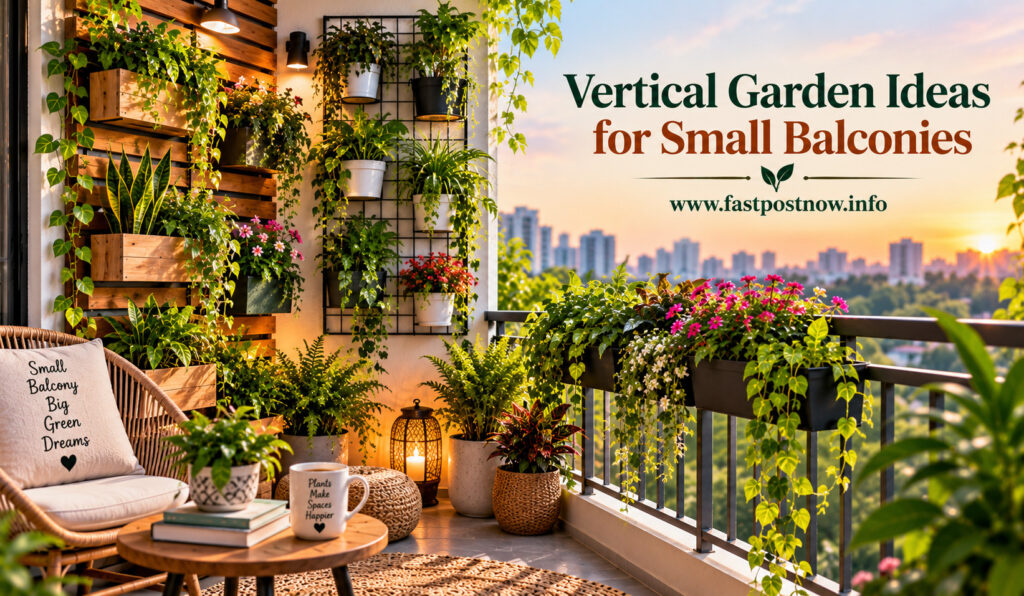
A small balcony may have limited floor space, but that does not mean it cannot become a beautiful green retreat. Vertical gardening is one of the smartest ways to add plants when every square foot matters. Instead of spreading pots across the floor, you can use walls, railings, shelves, hanging structures, and plant stands to move your garden upward.
A vertical garden can make a balcony feel fresher, more private, and visually appealing without taking away valuable seating space. It can also be adapted to different styles, from simple modern arrangements to lush, natural displays.
Whether you live in an apartment or have a narrow balcony, the right vertical garden can turn an unused wall or corner into an attractive feature.
Why Choose a Vertical Garden for a Small Balcony?
Traditional balcony gardening often requires several pots placed directly on the floor. In a compact space, this can quickly make the area feel crowded. Vertical gardening solves this problem by using surfaces that would otherwise remain empty.
Plants arranged vertically can create a strong focal point while leaving room below for chairs, tables, or walking. A green wall can also help soften hard surfaces such as concrete, metal railings, and painted walls.
Another advantage is flexibility. You can create a vertical garden using inexpensive shelves, hanging planters, wall-mounted pots, or freestanding structures. Many of these options can also be moved when you rearrange the balcony or relocate to another home.
Use a Vertical Plant Stand
A vertical plant stand is one of the easiest ways to start a balcony garden. These stands usually have several levels, allowing you to place multiple pots within a relatively small footprint.
Choose a narrow stand for a tight balcony or a wider ladder-style design if you have a little more room. Different plant heights can create a layered appearance, making the garden look fuller without requiring many large containers.
Arrange Plants by Height
Place taller plants toward the back and smaller plants on the upper or front levels. Trailing plants can hang over the edges, creating a softer appearance.
A simple plant stand can hold:
- Flowering plants for color
- Herbs for practical use
- Small leafy plants for texture
- Trailing plants for a cascading effect
Avoid overcrowding the shelves. Plants need enough room for air circulation, sunlight, and maintenance.
Create a Green Wall With Wall-Mounted Planters
If your balcony has a suitable wall, mounted planters can create a striking vertical garden. Instead of placing pots on the floor, attach or position them vertically in an organized pattern.
You can use matching pots for a clean modern look or mix different shapes and textures for a more relaxed garden style. A grid arrangement creates a structured appearance, while staggered planters feel more organic.
Before installing anything, check whether your landlord or building management allows wall attachments. Renters can consider freestanding alternatives if drilling is not permitted.
Try a Hanging Garden
Hanging planters are particularly useful when floor and wall space are both limited. Plants can be suspended from suitable structures, creating greenery at different heights.
Trailing plants are especially effective because their leaves can grow downward and create a lush visual effect. Hanging herbs can also turn a small balcony into a practical mini garden.
However, safety should come first. Hanging containers must be securely supported and positioned so they do not create hazards for people below or interfere with neighboring balconies.
Keep Hanging Plants Organized
Rather than hanging many small pots randomly, group them at different heights or arrange them along one side. This keeps the garden visually balanced and leaves the main seating area open.
Choose lightweight containers where possible, especially for balconies with limited structural capacity.
Build a Balcony Herb Garden
A vertical herb garden is an excellent option for people who want their plants to be useful as well as decorative. Herbs generally require less space than many ornamental plants and can be grown in small containers.
A vertical rack near a sunny area can hold several varieties without taking up much floor space. Labeling the pots can also make the arrangement look organized while helping you identify each herb.
Depending on growing conditions, you might consider herbs such as basil, mint, coriander, thyme, or rosemary.
Keep herbs that have similar light and watering needs together. This makes everyday care easier and prevents some plants from receiving too much or too little water.
Use a Trellis for Climbing Plants
A trellis can transform a plain balcony corner into a living wall. Climbing plants use vertical space naturally, making them ideal for small outdoor areas.
A trellis can also serve a practical purpose by providing partial privacy. As the plants grow, their leaves can create a soft screen between your balcony and nearby buildings.
Choose Plants for Your Conditions
The best climbing plant depends on sunlight, temperature, humidity, and the amount of maintenance you are willing to provide. Fast-growing plants may provide coverage more quickly, but they can also require frequent trimming.
Always provide suitable support and enough room for the plant to grow. Avoid allowing vines to spread onto neighboring properties or interfere with balcony fixtures.
Repurpose a Wooden Ladder
An old wooden ladder can become a creative vertical garden stand. Place small pots on each step and lean the ladder securely against an appropriate surface.
This idea works particularly well for rustic, bohemian, or natural balcony designs. You can leave the wood in its original condition or finish it with an outdoor-suitable treatment.
The ladder does not need to be large. A compact step ladder can hold several plants while occupying only a small section of the balcony.
If using a repurposed ladder, make sure it is stable and protected from weather conditions.
Create a Pallet-Style Vertical Garden
Wooden pallet-style structures can be adapted into vertical planters. Their multiple sections can hold small pots or containers, creating a simple garden wall.
This option is attractive because it combines greenery with a natural wooden texture. You can keep the wood unfinished for a rustic look or choose a finish that complements your outdoor furniture.
Make sure the structure is suitable for outdoor use and securely positioned. Avoid placing a heavy, soil-filled structure where it could become unstable.
Add a Railing Garden
Balcony railings offer another opportunity for vertical gardening. Railing planters can hold flowers, herbs, or compact leafy plants without taking up floor space.
This is especially useful for narrow balconies where there is little room for plant stands. Repeating similar planters along the railing can create a neat, continuous garden effect.
However, railing-mounted containers should be securely fitted and must comply with building safety rules. Avoid placing loose pots where they could fall or be blown over.
Combine Shelves and Hanging Plants
You do not need to choose just one vertical gardening technique. Combining shelves, hanging pots, and climbing plants can create a more dynamic display.
For example, a narrow shelf can hold small herbs, while a hanging planter above it provides trailing foliage. A trellis beside the arrangement can support a climbing plant.
This layered approach creates depth and prevents the garden from looking like a collection of identical pots.
A balanced vertical garden might include:
- One taller plant as a focal point
- Several small plants at different heights
- One or two trailing plants
- A climbing plant for vertical coverage
The key is to leave enough space between plants so each one remains visible.
Choose the Right Plants for Your Balcony
Plant selection is one of the most important parts of a successful vertical garden. A beautiful arrangement will not remain attractive if the plants are unsuitable for the available conditions.
A bright, sunny balcony can support different plants from a shaded or north-facing space.
Also consider wind exposure. Plants positioned high above the ground may experience stronger airflow, which can dry containers quickly or damage delicate foliage.
Before buying plants, consider:
- Amount of direct sunlight
- Watering requirements
- Growth speed and final size
- Wind exposure
- Maintenance time
Choosing plants that naturally suit the balcony environment will make the garden easier to maintain.
Make a Vertical Garden Part of Your Balcony Design
A vertical garden should complement the rest of the balcony rather than look like a separate feature. Match planter colors with your furniture or choose natural materials that work with the existing design.
If the balcony is very small, using similar-colored pots can create a cleaner appearance. Too many colors and container styles can make the space feel cluttered.
Lighting can also enhance a vertical garden after sunset. Small outdoor-rated lights positioned around plants can highlight leaves and create a relaxing atmosphere.
Avoid excessive decoration. The plants should remain the main feature.
Vertical Garden Maintenance Tips
Vertical gardens may save space, but they still require regular care. Plants at different heights can have different watering needs, so avoid treating the entire arrangement as one group.
Check plants regularly for dry soil, damaged leaves, pests, and signs of poor growth. Remove dead leaves to keep the garden looking tidy.
Watering can be more difficult when containers are stacked vertically. Use trays where appropriate and make sure excess water does not drip onto people, furniture, walls, or neighboring balconies.
If your balcony receives intense sunlight, check plants more frequently because small containers can dry out faster than larger garden beds.
Common Mistakes to Avoid
One common mistake is choosing too many plants at the beginning. A vertical garden can become difficult to manage when every available space is filled immediately. Start with a few plants and expand gradually.
Another problem is ignoring the weight of containers, soil, and water. A collection of large pots can become surprisingly heavy. Choose suitable containers and follow any building guidelines regarding balcony loads.
Poor drainage is another issue. Containers need drainage to prevent waterlogged roots, but excess water should be managed carefully.
Finally, avoid choosing plants solely because they look attractive at the garden center. Consider their mature size, sunlight requirements, and maintenance needs before bringing them home.
Final Thoughts
Vertical gardening is a practical and creative way to bring greenery to a small balcony. By using walls, railings, shelves, trellises, plant stands, and hanging containers, you can create an attractive garden without sacrificing valuable floor space.
Start with a simple arrangement and choose plants that suit your balcony’s light, wind, and maintenance conditions. As your plants grow, you can gradually add new layers and adjust the arrangement.
Whether you want fresh herbs, colorful flowers, lush foliage, or a natural privacy screen, a vertical garden can turn even the smallest balcony into a refreshing outdoor retreat.
Frequently Asked Questions
1. What is the best vertical garden idea for a very small balcony?
A narrow plant stand, hanging planters, or railing planters are excellent choices because they use very little floor space. Combining two of these options can create a fuller garden without overcrowding the balcony.
2. Can I create a vertical garden without drilling into the wall?
Yes. Freestanding plant ladders, vertical racks, hanging structures, and railing planters can provide vertical gardening opportunities without permanent wall modifications.
3. Which plants are suitable for a balcony vertical garden?
Suitable plants depend on your balcony’s sunlight and climate. Herbs, compact flowering plants, trailing plants, and climbing varieties can all work well when their growing requirements match the environment.
4. How often should I water a vertical balcony garden?
There is no single watering schedule because different plants and weather conditions require different amounts of water. Check the soil regularly and water according to each plant’s needs while ensuring proper drainage.
5. Can a vertical garden provide privacy on a balcony?
Yes. Trellises with climbing plants, tall foliage, and layered planters can help reduce direct views from neighboring balconies. As the plants grow, they can create a natural and attractive privacy screen.